

01
Structural & FEA
Stress, deformation, nonlinear behaviour, impact, crash and shock studies to identify critical load paths and design hot spots.
ProSIM supports defence organisations and their vendors with advanced engineering analysis, virtual prototyping, optimisation and R&D — connecting physics-based simulation with practical design decisions.
Discuss a Defence Project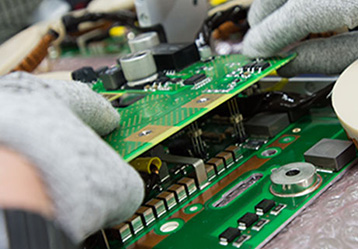
Our approach combines design understanding, material behaviour, manufacturing considerations and system performance. The objective is not simply to run an analysis, but to help engineers make better design decisions earlier in the lifecycle.
Stress, deformation, nonlinear behaviour, impact, crash and shock studies to identify critical load paths and design hot spots.
Temperature fields, pressure and velocity gradients, dead zones and fluid-structure interaction for thermal and flow-critical systems.
Modal, transient, multi-body and vibration-related studies, including flexible-body models linked with system behaviour.
Assessment of fatigue hot spots, crack-sensitive regions, life prediction and the influence of operating and material variability.
Coupled electromagnetic, thermal and structural analysis for generators, motors, sensors, antennas, PCBs and related equipment.
Failure analysis and remaining-life assessment to support repair, reuse, life-extension and engineering disposition decisions.
ProSIM’s defence work uses computer models of products, systems and processes for virtual product development, virtual prototyping and virtual testing. Where required, analytical models can be correlated with physical prototypes and tests against applicable military or customer specifications.
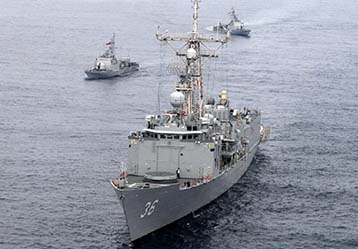
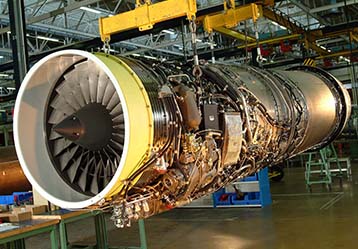
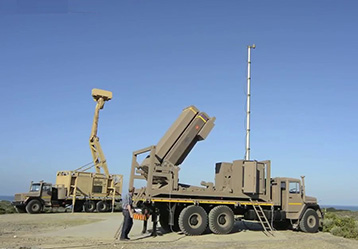
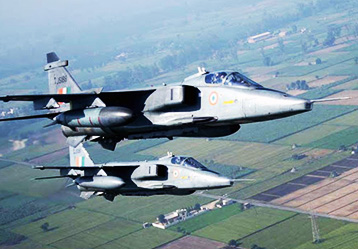
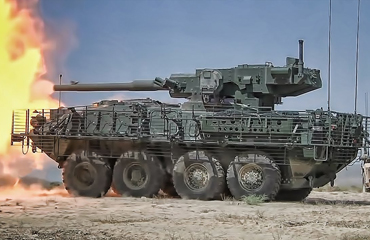
Our existing defence portfolio spans mechanical systems, propulsion-related equipment, naval systems, UAVs and defence electronics.
The strongest simulation results come from understanding how the component is designed, manufactured, operated and tested. Our engagement model can be aligned to a specific engineering mission or a broader R&D programme.
Define — translate the requirement, load case, operating envelope and design intent into an engineering problem.
Model — create the appropriate geometry, material, boundary condition and system-level representation.
Simulate — apply FEA, CFD, dynamics, thermal, fatigue or multiphysics analysis as appropriate.
Optimise — turn analysis findings into practical design changes for performance, life, reliability or weight.
Correlate — where applicable, compare with prototype or test results and close the engineering loop.
Examples from ProSIM’s existing defence work demonstrate the breadth of its analysis and R&D capability.
CAE-driven R&D · Structural, dynamic & nonlinear FEA · Flow, thermal & fluid-interaction CFD · Collaborative engineering from concept onward