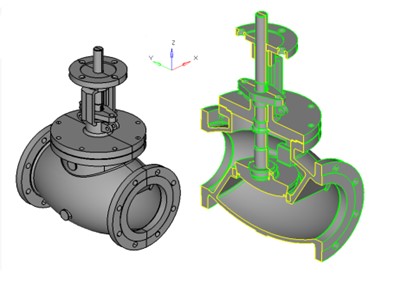
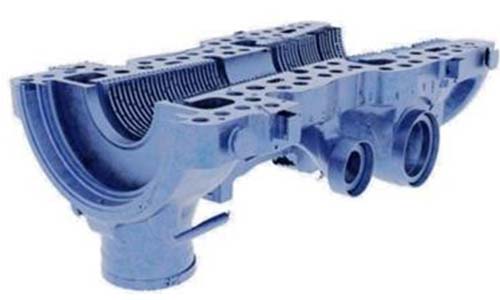
Detailed Engineering
Engineering development for heavy equipment, structures, assemblies and industrial systems, including design detailing and model-based engineering support.
ProSIM combines detailed engineering, CAE / FEA and engineering judgement to help heavy engineering organisations verify designs, solve structural problems and optimise equipment before costly design changes reach fabrication or site.

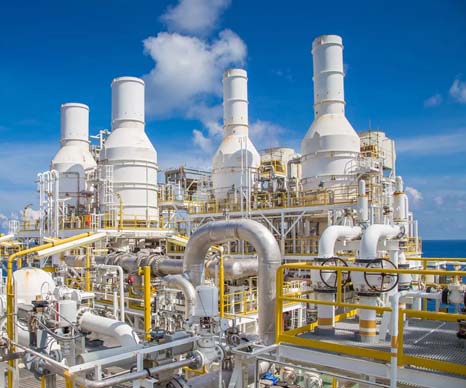
ProSIM’s heavy engineering offering brings design, simulation and assessment together so that analysis results can be used to improve the equipment itself — not simply to generate a report.
Engineering development for heavy equipment, structures, assemblies and industrial systems, including design detailing and model-based engineering support.
Static, modal, dynamic and non-linear analyses selected to suit the design question, loading environment and required level of fidelity.
Verification of strength and stiffness under relevant operating and qualification load cases, with engineering interpretation of stress, displacement and structural response.
Use simulation feedback to refine section sizes, geometry, material distribution and other design parameters for better structural efficiency.
Assessment of existing equipment and components where operating history, defects, damage or ageing create an engineering decision point.
Coupled engineering problems where structural behaviour interacts with thermal, fluid or other physical effects.
ProSIM has executed engineering design and structural evaluation work for material handling equipment. Our experience includes EOT cranes, gantry cranes, manual cranes, electric hoists and trestle structures.
Evaluate stress, deformation and structural response under relevant load cases.
Identify practical modifications to improve structural efficiency and performance.
Assess crane systems and components for seismic load combinations where required.
Extend analysis to items such as girders, end carriages, trolleys, welds and bolted connections.
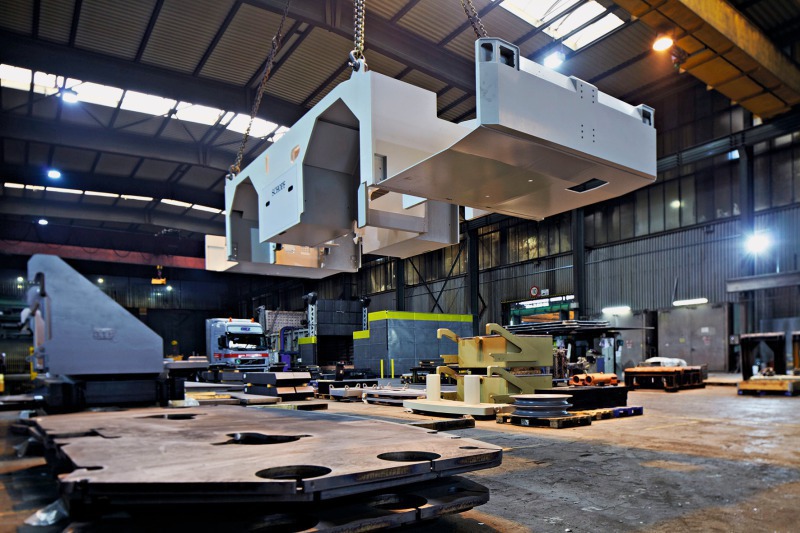
A good simulation is only useful when it closes the loop with the designer. Our workflow is built around that loop.
Understand geometry, materials, operating conditions, loading, constraints and the design objective.
Prepare the FE model, mesh, boundary conditions and load cases appropriate to the problem.
Examine critical stress, deformation, modes, non-linear response or other governing results.
Translate results into design changes and close the loop through comparative re-analysis.
Our work with material handling companies has included design verification and optimisation where structural behaviour, operating loads and qualification requirements influence the final configuration.
The analysis objective can range from checking the adequacy of an existing design to identifying why a design is not meeting stress or deflection criteria — and then determining what should change.
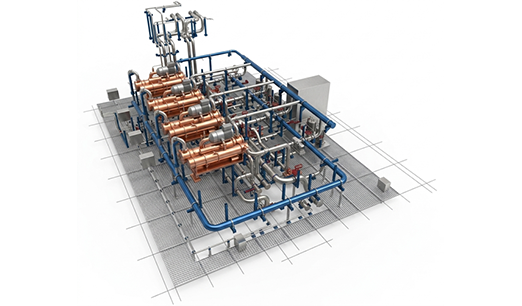
Support across engineered products, equipment and industrial assets where strength, stiffness, durability or qualification matters.
Material Handling
Cranes, hoists, trestles, girders, trolleys and associated structures.
Heavy Machinery
Frames, bases, platforms, machine structures and fabricated assemblies.
Industrial Equipment
Equipment packages, skids, supports and engineered mechanical systems.
Special Purpose Equipment
Custom machinery where development depends on engineering analysis.
Steel Structures
Structural members, support structures and fabricated systems.
Existing Assets
Integrity, remaining-life and fitness-for-service evaluations.
Product Development
Design iterations supported by CAE and simulation-driven engineering.
Engineering Support
Extended teams for defined work packages, outsourcing and engineering capacity.